Staying Safe in Extreme Heat
As you may have noticed, summer in Nagoya is characterized by scorching temperatures, making it essential to take precautions to ensure your safety and well-being during this period. Nagoya’s extreme heat can pose serious health risks, especially if not properly managed. To help you navigate through this challenging weather, here are some essential tips and guidelines to stay safe and comfortable:
Stay Hydrated
Drink plenty of water throughout the day, even if you don’t feel thirsty. Dehydration can happen quickly in hot weather and lead to heat-related illnesses.
- Drink Water Regularly: In hot weather, your body loses more fluids through sweat, so drinking water regularly throughout the day is essential. Aim to consume at least eight 8-ounce glasses of water daily, increasing this if you are physically active or sweating excessively.
- Carry a Water Bottle: Always keep a reusable water bottle with you, ensuring easy access to water wherever you go. This is especially important if you are outdoors or traveling.
- Don’t Rely Solely on Thirst: When the weather is hot, your body may not feel thirsty even if it needs more water. Therefore, try to drink water regularly, regardless of whether you feel thirsty or not.
- Limit Caffeinated and Alcoholic Beverages: Beverages like coffee, tea, and alcohol can contribute to dehydration as they have diuretic effects, which can increase fluid loss.
- Opt for Hydrating Foods: Certain fruits and vegetables, such as those with high water content, can help improve overall hydration. Watermelon, cucumber, oranges, and celery are hydrating foods that can help refresh you.
- Monitor Urine Color: One way to gauge your hydration level is to check the color of your urine. Pale yellow or straw-colored urine indicates that you are well-hydrated, while dark yellow or amber-colored urine suggests that you may need to drink more water.
- Rehydrate After Physical Activity: If you engage in exercise or any strenuous activity outdoors, replenish your fluids afterward to compensate for the water lost through sweating.
- Avoid Sugary and Carbonated Drinks: Beverages high in sugar and carbonation can dehydrate you and might not provide the necessary hydration your body needs. Sticking to plain water or opting for electrolyte-rich drinks (like Pocari Sweat) if needed is best.
- Set Reminders: It’s easy to forget to drink enough water in busy situations. Set reminders on your phone or use apps to prompt you to take a water break throughout the day.
Dress Appropriately
Wear lightweight, loose-fitting, and light-colored clothing to help your body stay cool. Avoid dark colors as they tend to absorb more heat.
Seek Shade
If possible, avoid direct sun exposure during peak hours, typically between 10:00 AM and 4:00 PM. When outside, use an umbrella or wear a wide-brimmed hat to shield yourself from the sun’s rays.
Use Sunscreen
Apply sunscreen with a high SPF rating to protect your skin from harmful UV rays.
Take Breaks
If you need to be outdoors, schedule regular breaks in shaded or air-conditioned areas to give your body a chance to cool down.
Use Air Conditioning
If available, use air conditioning or fans to maintain a comfortable indoor temperature. If you don’t have access to air conditioning at home, consider spending time in public places like shopping centers or libraries that offer air conditioning.
Avoid Strenuous Activities
Minimize physical exertion and avoid strenuous activities during the hottest parts of the day.
Check on Vulnerable Individuals
If you have elderly family members, neighbors, or friends, please check on them regularly to ensure their well-being.
Be Familiar with Heat-Related Illnesses
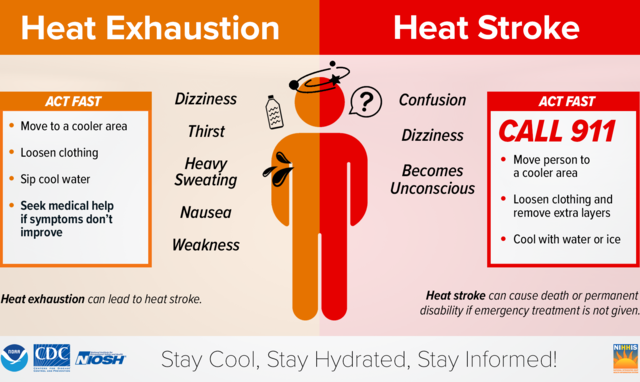
Familiarize yourself with the symptoms of heat exhaustion and heatstroke. If you or anyone around you experiences dizziness, rapid pulse, nausea, confusion, or unconsciousness, seek medical attention immediately.
Heat exhaustion and heatstroke are heat-related illnesses that can occur when the body is exposed to high temperatures and is unable to regulate its internal temperature properly. It’s crucial to recognize the symptoms of these conditions to seek prompt medical attention and prevent serious complications.
Heat Exhaustion
Heat exhaustion is a milder form of heat-related illness, but it can still be dangerous if not treated promptly. It typically occurs when the body loses a significant amount of water and salt through excessive sweating, leading to dehydration and electrolyte imbalance. Common symptoms of heat exhaustion include:
- Heavy Sweating: The body tries to cool down by producing excessive sweat.
- Weakness and Fatigue: You may feel tired and weak, with significantly reduced energy levels.
- Dizziness and Lightheadedness: You may feel faint or lightheaded, which can affect your balance.
- Headache: Persistent throbbing or pounding headaches can be a symptom.
- Nausea and Vomiting: You may feel nauseous or vomit due to the body’s response to heat stress.
- Pale, Clammy Skin: The skin may feel cool and moist to the touch.
- Rapid, Weak Pulse: The heart rate may be fast, but the pulse might feel weak.
- Muscle Cramps: Painful muscle cramps can occur, especially in the legs or abdomen.
If you or someone else is showing signs of heat exhaustion, it’s essential to move to a cooler, shaded place, drink cool water, and rest. Applying a cool, wet cloth to the skin can also help. If the symptoms worsen or don’t improve after taking these measures, seek medical attention immediately.
Heatstroke
Heatstroke is a severe, life-threatening condition that requires immediate medical attention. It occurs when the body’s core temperature rises rapidly, exceeding 104°F (40°C), and its natural cooling mechanisms fail. Heatstroke is a medical emergency; if left untreated, it can lead to organ failure and even death. Symptoms of heatstroke include:
- High Body Temperature: The body temperature can be extremely high, and the skin may feel hot and dry, lacking sweat.
- Altered Mental State: Confusion, agitation, slurred speech, or delirium can occur.
- Severe Headache: Intense headache that may not respond to over-the-counter pain relievers.
- Rapid Heart Rate: The heart rate may be very fast and irregular.
- Nausea and Vomiting: Heatstroke can cause nausea and vomiting, similar to those experienced with heat exhaustion.
- Flushed, Red Skin: The skin may appear red and flushed due to elevated body temperature.
- Shallow Breathing: Breathing may become shallow and rapid.
- Loss of Consciousness: In severe cases, heatstroke can lead to unconsciousness or coma.
If you suspect heatstroke, call emergency services immediately and take immediate steps to cool the person down. Move them to a cooler place, remove excess clothing, and use cool water or ice packs to lower their body temperature while waiting for medical help.
Both heat exhaustion and heatstroke require attention, but heatstroke is a medical emergency that demands swift action to prevent serious complications.
Stay Informed
Keep an eye on weather forecasts and official advisories from local authorities. Be prepared to adjust your plans if necessary to stay safe.
National Weather Service, CDC, NIOSH, Public domain, via Wikimedia Commons